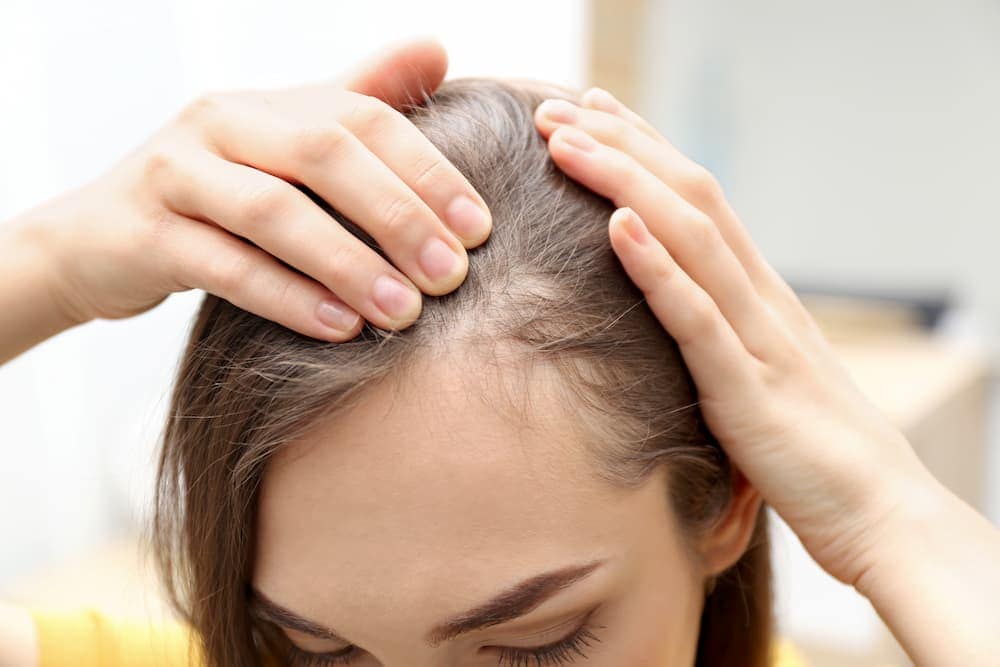
Hair loss can feel overwhelming, whether it’s thinning on the crown, a receding hairline, or gradual shedding you’ve noticed over time. Many men and women are exploring regenerative medicine solutions to restore confidence without surgery. One of the most talked-about treatments today is PRP for hair loss. But does it actually work? At Aria Wellness, we believe in helping patients make informed decisions. Here’s what you need to know about the effectiveness of PRP and what to expect when considering it as a solution.
Understanding PRP for Hair Loss
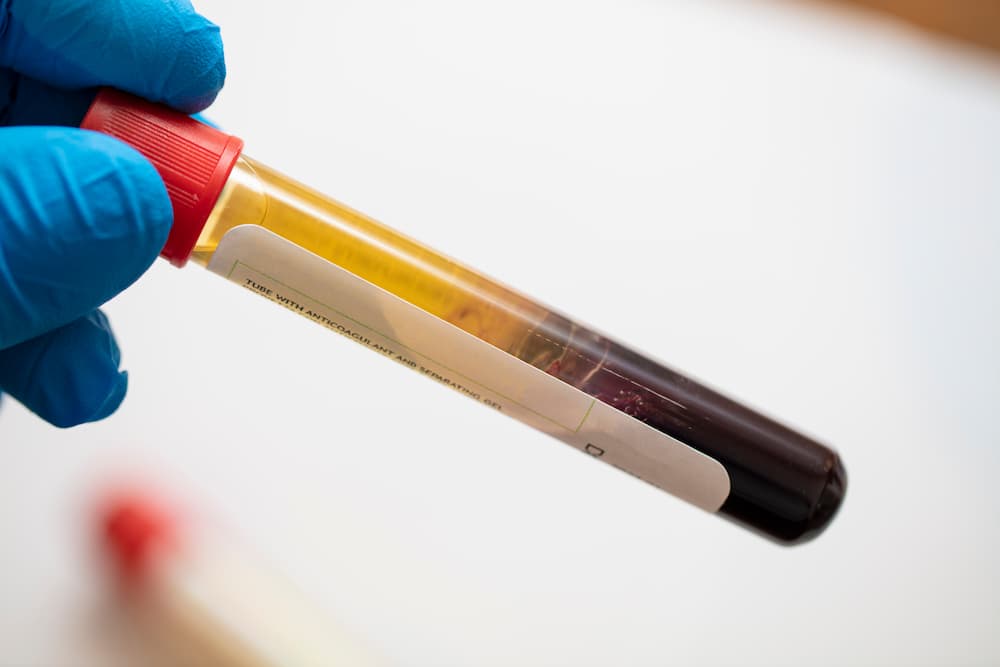
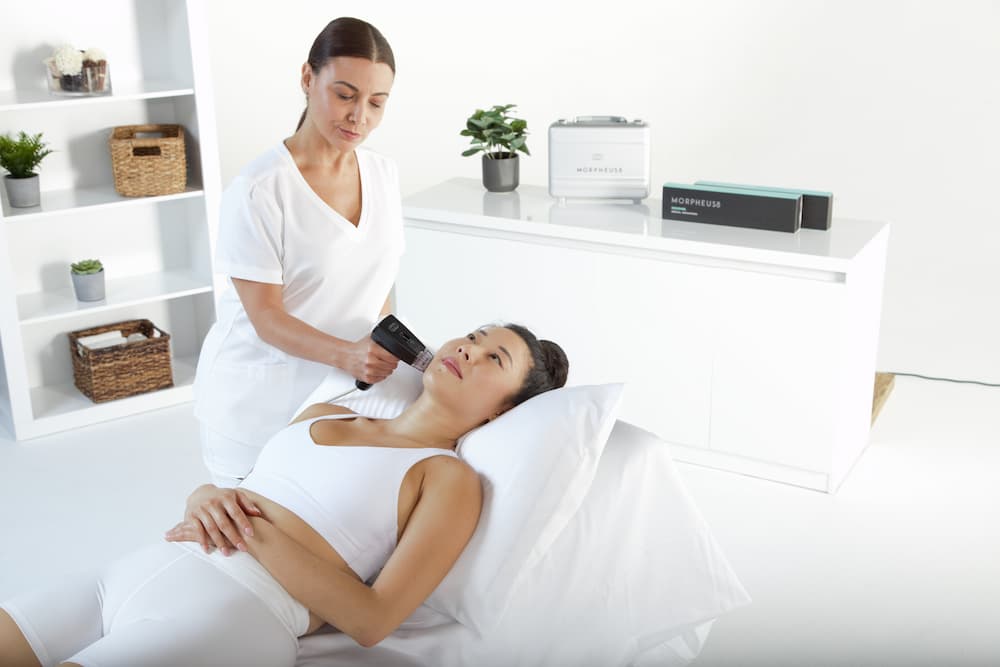
PRP for hair loss uses the healing properties of your own blood to stimulate dormant hair follicles. PRP stands for Platelet-Rich Plasma, a concentrated solution derived from your blood that contains growth factors and proteins. During treatment, a small blood sample is drawn and spun in a centrifuge to separate the platelets. This PRP is then injected into areas of thinning hair on the scalp.
At Aria Wellness, we often recommend this therapy for individuals seeking natural, non-surgical hair restoration. Because PRP is sourced from your own body, it reduces the risk of allergic reactions and integrates seamlessly with your biology.
Common Questions about Treatment
Patients exploring PRP for hair loss often ask:
How many treatments are needed?
Is it painful?
How soon will I see results?
Most people undergo a series of treatments spaced about a month apart, followed by maintenance sessions every 6–12 months. While mild discomfort may occur during injections, the procedure is generally well-tolerated. Results vary, but most patients begin to see improvements in hair thickness and reduced shedding after three to six months.
How It Works for Hair Restoration
Before committing to any treatment, it’s essential to understand how effective it is. At Aria Wellness, we encourage patients to investigate clinical data and real-world outcomes. PRP for hair loss is not a miracle cure, but research has shown it can slow shedding, thicken existing hair, and in some cases, stimulate regrowth. By setting realistic expectations, patients are better equipped to appreciate gradual, sustainable improvements.
Clinical evidence continues to support PRP for hair loss as a promising treatment. Multiple studies indicate that PRP injections can:
- Increase hair density and thickness
- Prolong the hair growth cycle
- Improve scalp circulation and nutrient delivery
- Support the activity of hair follicle stem cells
Patients often report decreased shedding within a few months of starting treatment, with visible thickening over time. While not everyone achieves dramatic regrowth, many find the overall improvement in hair quality to be worth the investment.
How PRP Stimulates Hair Growth
So, how does it work? PRP contains growth factors such as platelet-derived growth factor (PDGF) and vascular endothelial growth factor (VEGF). When injected into the scalp, these proteins:
- Signal follicles to transition from a resting phase to an active growth phase
- Promote angiogenesis (new blood vessel formation), which nourishes follicles
- Reduce inflammation that can contribute to hair loss
This multi-faceted action is why PRP for hair loss is gaining popularity as a regenerative therapy.
Evaluating Clinical Studies & Patient Experiences
Studies published in dermatology and cosmetic surgery journals show measurable improvements in hair density among patients treated with PRP. For example, one study found a 30–40% increase in hair count after three treatment sessions.
Beyond statistics, real patient experiences at Aria Wellness speak volumes. Many patients report feeling more confident as their hair grows fuller, and they appreciate the minimally invasive nature of the procedure compared to hair transplants.
Comparing with Other Methods
While PRP for hair loss is promising, it’s not the only option. Patients often weigh PRP against alternatives like:
- Topical treatments (minoxidil)
- Oral medications (finasteride for men)
- Laser therapy
- Hair transplant surgery
Each method has its pros and cons. For many, PRP offers a middle ground: more effective than over-the-counter products, less invasive than surgery, and natural since it uses your own plasma.
Assessing the Pros and Cons of PRP vs. Other Hair Restoration Approaches
By understanding the pros and cons, individuals can determine if PRP aligns with their goals.
Pros:
- Minimally invasive, no downtime
- Uses your body’s natural healing factors
- Can complement other treatments
- Improves hair thickness and scalp health
Cons:
- Multiple sessions required
- Results vary between individuals
- Not effective for complete baldness
- May not be covered by insurance
Highlighting Situations Where PRP May Be More Beneficial
At Aria Wellness, we’ve seen PRP for hair loss deliver strong results for patients who:
- Are in the early stages of thinning
- Want to avoid surgery
- Prefer natural, regenerative approaches
- Need to maintain hair density after a transplant
In these cases, PRP becomes an important part of a personalized hair restoration plan.
Understanding Hair Regrowth
Hair growth is a gradual process, which is why it’s important to set realistic expectations before beginning PRP for hair loss. Each strand of hair goes through phases—growth (anagen), rest (telogen), and shedding (catagen)—and PRP works by stimulating follicles during the growth cycle.
Because of these natural rhythms, results don’t happen overnight. Most patients begin to see subtle improvements, such as less shedding or a healthier scalp, within the first couple of months. Noticeable thickening and regrowth usually appear between three to six months, with continued progress over the course of a year.
Importance of Patience & Consistency
At Aria Wellness, we want our patients to understand consistency is the cornerstone of success with PRP for hair loss. A series of treatments is typically recommended at the start, followed by maintenance sessions every few months to sustain results. Skipping treatments or expecting instant transformation can be discouraging, but those who stick with the plan often notice their hair becoming thicker, fuller and stronger over time.
FAQs
Does PRP treatment work for all types of hair loss?
PRP is most effective for androgenetic alopecia (male and female pattern baldness) and early-to-moderate thinning. It is generally less effective for advanced baldness or scarring alopecia where follicles are no longer active.
How soon can I expect to see results?
Most patients notice reduced shedding and some thickening within 3–6 months of consistent treatments. Full results usually require multiple sessions and periodic maintenance.
Are there any cases where PRP may not be as effective for hair restoration?
PRP may not be as effective in cases of advanced hair loss or when underlying medical issues aren’t addressed. In such situations, alternative or combined treatments may be recommended.
Ready to Restore Your Hair? Schedule Your PRP Consultation in Wilkes-Barre, PA
If you’re exploring solutions for hair thinning or early-stage hair loss, PRP hair restoration could be the breakthrough you’ve been waiting for. At Aria Wellness, our experienced team will evaluate your scalp, hair growth patterns, and personal goals to create a customized PRP treatment plan just for you.
Whether you’re looking to prevent further shedding, boost hair thickness, or avoid more invasive procedures, PRP offers a natural, regenerative approach backed by science—with no downtime.
Contact us today and take the first step toward fuller, healthier hair. We’re here to guide you every step of the way!