PRP vs. PRF — if you’ve explored regenerative treatments for skin rejuvenation, hair restoration, or even dental therapy, you’ve probably come across these two acronyms. Both use your body’s natural healing power, but they’re not identical. Understanding the key differences between Platelet-Rich Plasma (PRP) and Platelet-Rich Fibrin (PRF) can help you make the most informed decision about your treatment at Aria Wellness in Wilks-Barre, where advanced regenerative therapies are performed by medical professionals with precision and care.
What Is PRP (Platelet-Rich Plasma)?
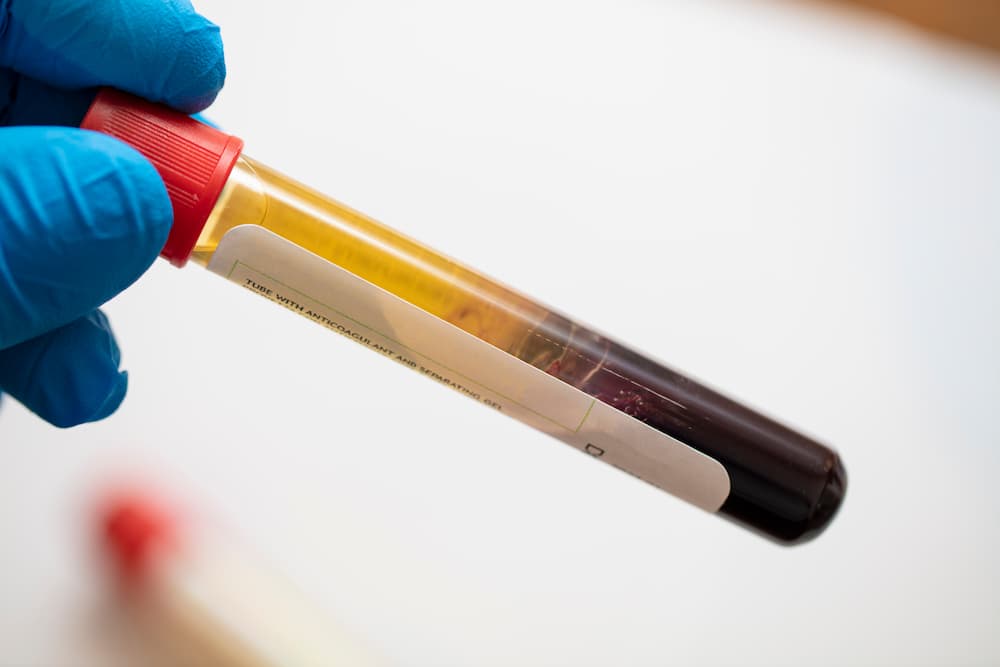
To understand PRP vs. PRF, let’s start with PRP. Platelet-Rich Plasma is created by drawing a small amount of your blood and spinning it in a centrifuge to separate the platelets and plasma from red and white blood cells. The concentrated plasma is rich in growth factors — the elements that stimulate collagen production, tissue repair and new cell growth.
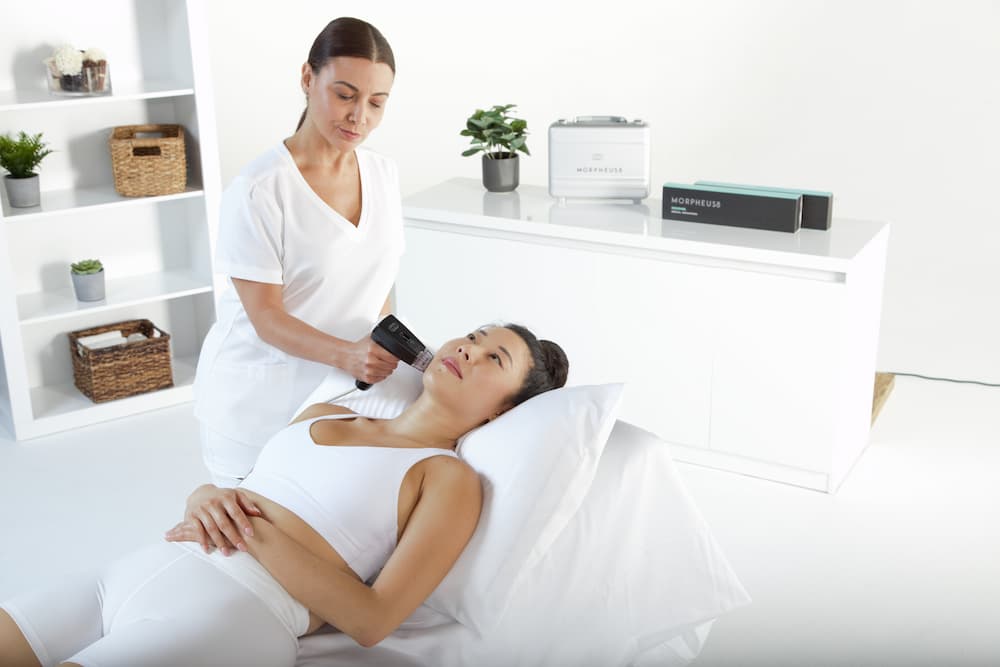
PRP has been used for decades in orthopedics, sports medicine and aesthetics. In cosmetic medicine, PRP injections are frequently used for skin rejuvenation, under-eye brightening, scar reduction and hair restoration. The treatment promotes smoother texture, improved elasticity and faster healing after procedures such as microneedling.
At Aria Wellness, PRP is often part of comprehensive skin and scalp rejuvenation treatments that aim to restore your natural radiance using your body’s own biology.
What Is PRF (Platelet-Rich Fibrin)?
PRF — or Platelet-Rich Fibrin — is often called the “next generation” of PRP. Like PRP, it begins with a simple blood draw, but the processing method is different. The blood is spun at a lower speed, which allows more of the white blood cells, platelets and stem cells to remain in the plasma.
Instead of producing a liquid, PRF forms a soft fibrin matrix — a gel-like substance that acts as a natural scaffold for cell regeneration. This fibrin mesh releases growth factors slowly over time, providing longer-lasting results compared to PRP’s faster release.
Because PRF doesn’t require additives or anticoagulants, it’s 100% natural. At Aria Wellness, we refer to PRF as a biological time-release system that stimulates tissue regeneration, enhances volume restoration and improves healing in both facial and hair treatments.
The Key Differences
When comparing PRP vs. PRF, the distinction comes down to composition, release time and biological activity.
Processing
PRP is spun at higher speeds to separate platelets, while PRF is spun more gently, preserving more cells and allowing fibrin formation.
Additives
PRP often includes anticoagulants to prevent clotting, but PRF is completely additive-free.
Consistency
PRP is liquid; PRF has a thicker, gel-like consistency.
Release of Growth Factors
PRP releases growth factors immediately, while PRF releases them gradually over 7–10 days.
Results
PRF generally produces longer-lasting results with enhanced healing properties.
Think of PRP as a quick boost — perfect for stimulating rejuvenation rapidly — while PRF provides a slow, steady release for more sustained regeneration.
Changing Regenerative Aesthetics
One of the biggest reasons patients are choosing PRF at Aria Wellness is its natural, extended-release mechanism. This gradual delivery supports collagen remodeling, improved skin tone and longer-term healing after procedures like microneedling, RF therapy, or dermal fillers.
In hair restoration, PRF can encourage thicker, stronger hair growth by nourishing follicles with a prolonged supply of growth factors. Because it contains fibrin, PRF may also help reduce inflammation and promote tissue stabilization — leading to improved overall results.
Clinically, PRF’s regenerative potential has extended beyond aesthetics into dental and orthopedic medicine, where it’s used for bone healing and wound recovery.
Which Treatment Is Right for You?
When deciding between PRP vs. PRF, it depends on your goals, treatment timeline and aesthetic preferences. At Aria Wellness, we recommend choosing PRP if you want a quicker refresh or need to accelerate healing after another procedure. PRP can give a noticeable glow and improve tone within days.
Choose PRF if you want longer-lasting rejuvenation and deeper cellular repair. PRF’s fibrin matrix allows for slow, continuous tissue stimulation for weeks after treatment. At Aria Wellness, we customize every treatment plan to your skin type, health history and goals. Some clients even combine PRP and PRF in different sessions to achieve layered benefits — immediate radiance and sustained regeneration.
The Science Behind the Results
Studies show that PRF contains up to 10 times more platelets, stem cells and leukocytes than PRP. These additional cellular components are what make PRF so biologically active. The fibrin structure serves as a scaffolding that traps growth factors and releases them over time.
This slow-release mechanism is why PRF treatments are gaining traction for facial volume loss, fine lines, skin laxity and hair thinning. It’s not just about faster healing — it’s about sustained cellular rejuvenation from within.
At Aria Wellness, patients appreciate that both PRP and PRF treatments are minimally invasive, performed in-office and require little to no downtime.
FAQs
What distinguishes PRF from PRP?
PRF differs from PRP in its preparation and composition. It’s spun at a lower speed, creating a fibrin matrix that holds platelets, stem cells and white blood cells. PRF is used in aesthetics, dental surgery, orthopedics and wound care.
Are both treatment options safe and effective?
Yes. PRF is 100% natural, free of additives and offers sustained release of growth factors, leading to longer-lasting and enhanced results compared to PRP.
How long does it take to see results with PRF and what are the potential side effects or risks?
Most patients see improvements within 2–4 weeks, with continued benefits for several months. Side effects are minimal — mild redness or swelling may occur for 24–48 hours.
Can PRF and PRP be combined?
Yes. Some patients choose to alternate sessions or combine treatments to experience both the quick results of PRP and the extended benefits of PRF.
How do I know which treatment is best for me?
A consultation at Aria Wellness will determine the right option for your goals. Our specialists will assess your skin, hair and health to design a personalized plan.
Schedule Your Regenerative Treatment in Wilkes-Barre, PA
Choosing a medical provider for PRP vs. PRF treatments is about more than just the technology — it’s about expertise. At Aria Wellness, every regenerative service is performed under the guidance of skilled medical professionals who specialize in aesthetic medicine and regenerative therapies.
We use advanced centrifugation equipment to ensure the highest purity and concentration possible. Whether you’re seeking smoother, firmer skin, improved healing after aesthetic procedures, or a fuller hairline, Aria Wellness tailors every session to your biology and your beauty goals.
When comparing PRP vs. PRF, the key takeaway is that both treatments harness your body’s natural healing abilities — just in different ways. PRP delivers faster results, while PRF offers slower, more sustained rejuvenation. Whichever option you choose, Aria Wellness is here to help. Schedule your consultation today to begin your journey.