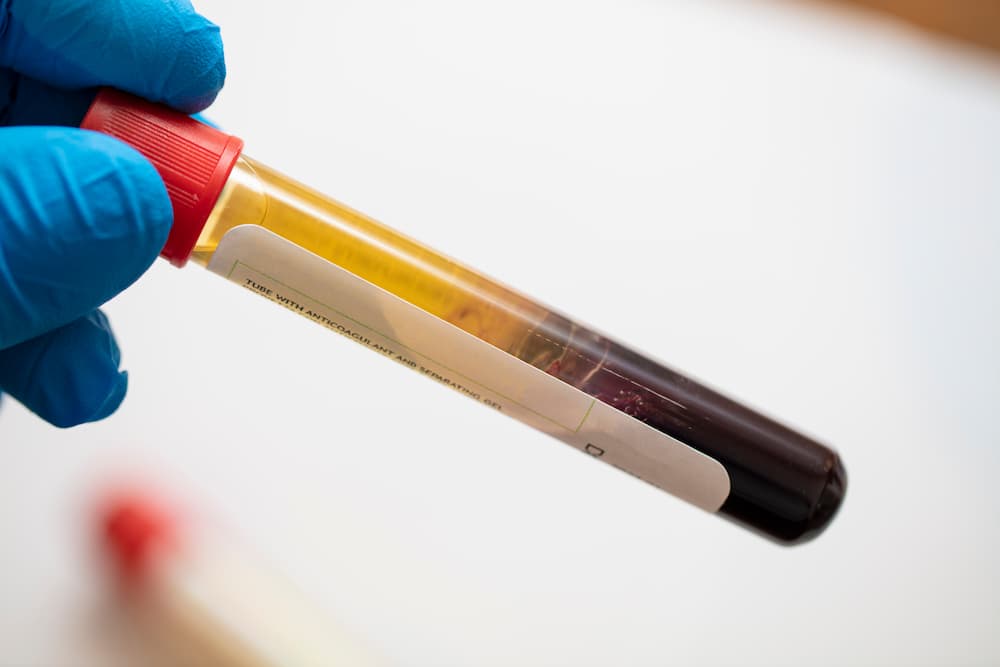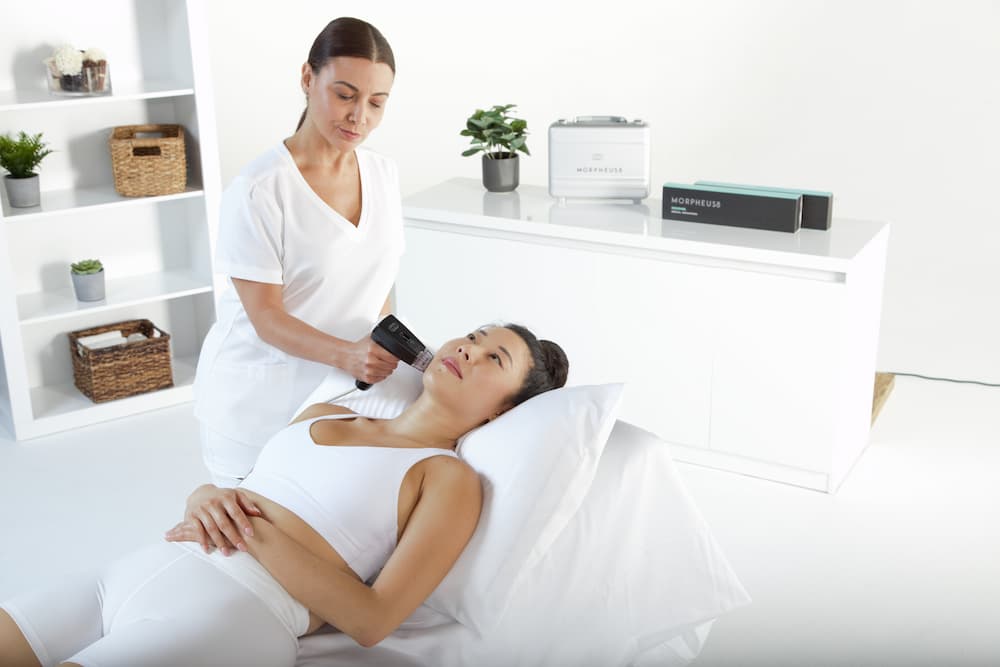

Menopause is a significant and inevitable phase in every woman’s life, signaling the end of menstruation and the ability to procreate. This natural process brings about a myriad of changes to a woman’s body, both physical and emotional, that are often accompanied by bothersome and sometimes disruptive symptoms. Bioidentical hormone replacement therapy (BHRT) is one of the most reliable methods of alleviating many of the menopause-related symptoms, helping women regain a semblance of self as they transition into this new phase of their life.
What Is Menopause?
Menopause is a natural biological process that occurs in females and marks the end of a woman’s reproductive years. While it may seem like the onset of menopause happens all of a sudden, it’s actually a gradual transition over several years, typically occurring in the late 40s or early 50s. The transition into menopause involves a decline in female reproductive hormones, specifically estrogen and progesterone. As these hormonal changes occur, they lead to the ending of menstruation and plenty of other symptoms. Common menopausal signs include hot flashes, night sweats, changes to the skin and hair, weight gain, acne, and even trouble sleeping. Vaginal dryness and changes in sexual desire and function can also occur due to hormonal fluctuations. Emotionally, menopause may bring about mood swings, irritability, and increased vulnerability to stress and anxiety.
While the physical and emotional changes are most noticeable and bothersome, bone density may decrease, increasing the risk of osteoporosis, and cardiovascular health can be affected. Each woman’s experience with menopause is unique, and while some adapt to the hormonal changes reasonably well, others have a tough time adjusting.
Exploring Hormone Replacement Therapy (BHRT)
Hormone Replacement Therapy (BHRT) is a unique approach to managing the hormonal changes that typically accompany menopause. BHRT relies on hormone supplementation, specifically estrogen and progestin. These hormones, which undergo a decline during menopause, play pivotal roles in regulating various bodily functions.
Estrogen is an essential hormone for reproductive health and many bodily processes, including maintaining bone density and regulating the menstrual cycle. Progestin, a synthetic form of progesterone, complements estrogen in hormone replacement therapy, particularly for women with an intact uterus. The combined use of estrogen and progestin is common in BHRT to provide a comprehensive approach to symptom relief.
BHRT helps to alleviate the symptoms of menopause by restoring hormonal balance to the body and decreasing the hormonal fluctuations associated with menopause. Estrogen replacement helps with hot flashes, night sweats, and vaginal dryness, and it also addresses some of the physical symptoms. Progestin is often used to protect the uterine lining from the potential overstimulation caused by estrogen alone.
It is important to know that BHRT is not a one-size-fits-all solution, and customization is necessary. Certain factors, including medical history and specific symptoms, can influence the levels and types of hormones you’ll best benefit from. Understanding the types of BHRT and how they function is a crucial step in tailoring menopausal management strategies to each woman’s unique needs, fostering a more personalized and effective approach to navigating the challenges of this life stage.
Benefits and Potential Risks of BHRT After Menopause
There are several benefits but also some potential risks when using Hormone Replacement Therapy (BHRT) after menopause. One of the more prominent benefits is BHRT’s ability to effectively manage hot flashes, night sweats, and mood changes. These are believed to be the three most common and often disruptive symptoms associated with the menopausal transition. By replenishing decreasing hormone levels, BHRT helps restore hormonal balance, alleviating these symptoms.
With the benefits come potential risks, especially when using BHRT long term. While BHRT can improve symptoms, there are concerns related to persistent use, particularly regarding breast cancer, cardiovascular health, and blood clotting. There are also potential side effects with BHRT, including breast tenderness, bloating, and headaches. It is important for your doctor to monitor your health regularly and for there to be an open line of communication between patients.
Candidacy and Consultation
Being candid with your provider about your current health status is critical when it comes to BHRT. So is a thorough consultation, which will help you determine if BHRT is right for you. Not every woman undergoing menopause may need or benefit from BHRT, so understanding how it will help you is important.
During your consultation, your provider will evaluate your medical history, current health status, and any existing conditions to determine if BHRT is necessary and appropriate. The consultation is also an opportunity for open communication, allowing you to express any questions, concerns, preferences, and expectations from the therapy. Your provider will also provide you with comprehensive information about the potential benefits and risks associated with BHRT. Age, family history, and lifestyle choices are also considered to create a customized approach.
The decision to pursue BHRT should be a collaborative one between you and your provider. Regular follow-up consultations are essential to monitor progress, address concerns, and adjust as needed.
Alternatives to BHRT
If you are seeking alternatives to BHRT, other options exist. Lifestyle changes and natural remedies are effective alternatives, and there’s no discounting regular exercise, a balanced diet rich in phytoestrogens, and stress management techniques. Some women find that incorporating meditation, yoga, or acupuncture into their routine can help manage hot flashes and well-being.
Non-hormonal medications are another avenue for women wary of hormone-based therapies. Selective serotonin reuptake inhibitors (SSRIs) and serotonin-norepinephrine reuptake inhibitors (SNRIs) have been shown to help control hot flashes. These medications are a non-hormonal way to manage symptoms. Over-the-counter herbal supplements, such as black cohosh and evening primrose oil, are also popular.